The Timeless Appeal of What Is Luxury Fashion in Modern Style
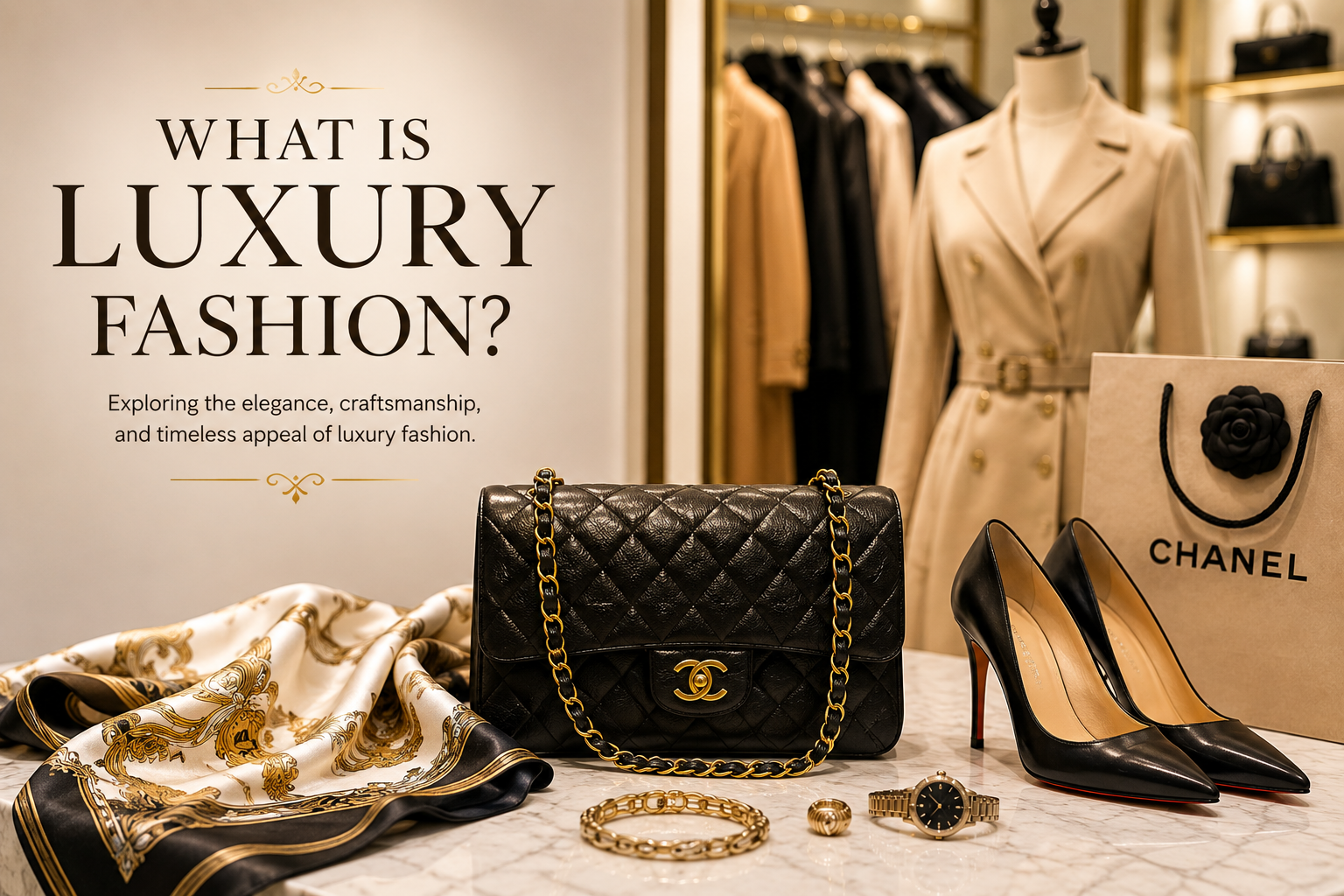
What is luxury fashion? Envision yourself strolling into an elegant boutique where every piece of clothing appears as if it has been thoughtfully arranged, each material has its unique feel, and everything looks extraordinary. You realize that the entire process is not just about the purchase of the item. The craftsmanship, history, attention to detail, and emotions associated with each product form the core of luxury in fashion.
From past decades to date, luxury clothing has not been about the pricey designer labels alone. Luxury clothing has been a tale of creativity, heritage, artisan work, and evolving cultural values, among others. From the intricately designed handbags to the tailor-made coats, luxury fashion tends to have some sort of identity of its own.
The Concept of Luxury Fashion Explained
By definition, luxury fashion means a sector of fashion that combines superb craftsmanship, excellent material, creativity, exclusivity, and heritage. A luxury product is usually made with much attention to detail in terms of material choice and finishing.
Cost does play a role here, but by itself it is not sufficient to understand what luxury is. An expensive product is not necessarily luxurious. Traditionally, luxury has been defined as something that combines elements of rarity, high quality, design, prestige, and the experience of ownership or usage.
Consider an example of a hand-made leather bag. From afar, two leather bags can seem almost identical, but one has been made with the best choice of material, special stitching, lots of labor, and many years of experience in design.
That is why luxury fashion managed to survive throughout the years despite constant changes in fashion trends.
History of Luxury Fashion
The history of luxurious clothing is centuries-old. Well before the emergence of contemporary fashion labels, the affluent society was using their clothes, accessories, and textiles to denote their social status. Certain types of fabrics and embroideries, as well as skilled tailoring, were only available to those individuals who possessed some financial means.
At the turn of the nineteenth and twentieth centuries, the fashion industry was creating its own luxury houses. These designers became artists more than dress makers. They started to symbolize certain aesthetics and ideas.
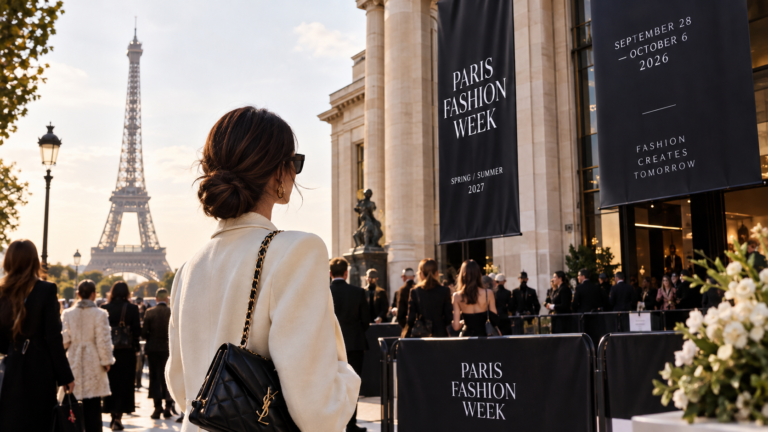
Paris became one of the key contributors to the development of contemporary luxury fashion. The haute couture introduced the system in which the clothes can be made individually for each client. This included such components as precision, fittings, handwork, and artistic vision. That Paris heritage is still on show in where Paris Fashion Week is held in 2026.
Gradually, the luxury goods were not limited by clothes. The shoes, perfumes, watches, bags, jewelry, and cosmetics became part of the luxury fashion.
Nowadays, the fashion industry is characterized by the combination of traditional crafts and modern methods of communication. Luxury’s place in that mix is part of how the fashion industry is changing.
What Is Luxury Fashion and What Sets It Apart?
It is not easy to see the distinction between regular fashion and luxury fashion right away. An ostensibly simple jacket may be the result of months of designing, crafting, and material choice. The gap is widest when you compare it with what brands are considered fast fashion.
There are several traits that usually define luxury goods.
Incredible Craftsmanship
Craftsmanship is one of the most solid foundations of luxury. The artisans may put considerable effort into cutting, sewing, shaping, polishing, and finishing each component.
The hand-finished touches make small yet distinct differences that cannot be replicated in mass production. They also contribute to the unique character of a specific item.
High-Quality Materials
The luxury companies usually point out the high quality and provenance of their materials, which may be of leather, wool, silk, cashmere, precious metals, or unique fabrics.
It is important because it affects the visual appeal, comfort, durability, and experience of using a product.
Exclusivity and Rarity
Sometimes it is about the rarity of the products. If people could obtain the same product everywhere, its exclusivity would decrease.
Limited editions, unique distribution channels, special editions, and made-to-order products can create a more rare perception of the items.
Heritage and Brand Identity
The historical background of a brand can be one of the most precious things for it. Years or even decades of consistent design language can build up trust and emotional connections between customers and products.
Consumers buy the product due to not only the aesthetic features of the product itself but also the background of the house that made it.
Importance of Design and Creativity
The field of luxury fashion allows the designer to be very creative, using different approaches to silhouette, materials used, technique of construction, and even art concepts. Some designs are wearable and functional, while some designs challenge traditional concepts of clothes.
This creativity can have an impact on the overall field of the fashion industry, because some shocking ideas on the catwalk will eventually give birth to the designs found in the department stores or in street fashion.
Moreover, design builds up recognition. Some specific shapes, patterns, colors, and techniques of construction can be identified with a certain fashion house.
The most effective designs in luxury fashion are those that are innovative yet familiar enough to identify.
Why Do People Buy Luxury Fashion?
The motives for buying luxury goods differ widely. Some are motivated by high quality and longevity, while others consider luxury a means of self-expression.
The choice of coat can reflect individual style; the handbag can serve as a reminder of an important success; a particular good can be considered as something to be inherited from generation to generation.
Then, there is the atmosphere of luxury buying. Elegant boutiques, individual approaches, and unique packaging and presentation add to the experience that makes a purchase an occasion rather than a regular transaction.
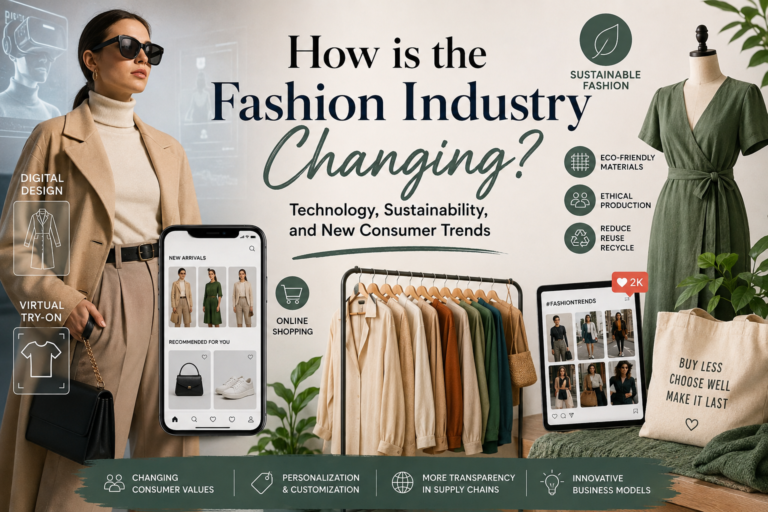
But today consumers start rethinking what makes an item valuable. Young customers tend to pay attention to such aspects of the good as sustainability, ethical production, authenticity, and transparency, besides prestige.
This change prompts luxury brands to rethink their perception of value.
The Function of Luxury Accessories
Accessories have taken on added importance in the luxury sector. Handbags, shoes, sunglasses, jewelry, belts, and watches are all examples of accessories that can complement one’s look and be associated with a specific brand.
A single accessory may change the entire outfit. This makes accessories a good choice for those consumers interested in adding luxury elements to their wardrobes without buying a complete line.
Handbags in particular are an interesting example of luxury accessories due to some styles’ ability to stay in demand over many years. Such accessories’ appeal is associated with their recognizable design, craftsmanship, functionality, and cultural importance.
Thus, accessories may serve as fashion items and investments at the same time, although their monetary value can differ greatly from case to case.
Technology and Its Influence on Luxury Fashion Experience
Previously, the luxury fashion industry was reliant on physical boutiques, fashion magazines, fashion shows, and personal connections. Nowadays, technology has brought about significant changes to consumer brand discovery and interactions.
Social media provides designers with the possibility to showcase their collection to a global audience right away. Digital campaigns can give customers an immersive story about the product long before they visit the store.
Technology in general, along with virtual experience, e-commerce, artificial intelligence, digital design, and personalization, is affecting the luxury fashion industry in many ways.
However, luxury brands face a rather intriguing situation: technology is accessible while luxury fashion requires exclusivity.
To solve this issue, brands tend to focus on creating highly curated digital experiences rather than just providing their products in the digital marketplace.
That is why technology does not kill luxury but transforms it.
Sustainability in Luxury
Environmental concerns have shifted the focus of the discussion of fashion to a new topic: people seek information about the source of materials, manufacturing process, and longevity of the products.
Various luxury brands try out recycling of materials, responsible sourcing, repair services, resale, and sustainable production techniques.
It is intriguing to analyze the connection between luxury and sustainability, as the quality and craftsmanship of luxury goods might provide a solid base for increased product life cycle.
Carefully designed products can serve their owner for many years, instead of quickly ending their existence as garbage.
On the other hand, the claims of sustainability should be substantiated with actions. Modern customers pay attention to any empty environmental marketing and seek transparency.
Celebrity Fashion Influence
Celebrities have been key to putting luxury fashion in the spotlight. One outfit at a big event will get massive publicity in no time at all.
Red carpet events, music videos, movies, interviews, and social media will all allow one fashion moment to reach a global audience.
There are many positives for both sides of this partnership. Celebrities receive unique looks, and brands get publicity and cultural relevance.
On the other hand, today’s audiences have never held more power than now. Without the need for traditional media to decide the importance of a fashion moment, that fashion moment can travel via social media platforms.
In this way, luxury fashion has become more closely tied to popular culture than it ever was before.
Luxury Fashion in Daily Life
Luxury need not necessarily refer to a complete outfit from head to toe. Many individuals include aspects of luxury in their daily wardrobe with just one piece of choice.
A good scarf, designer bag, suit blazer, stylish shoes, or unique accessories could give character without being overpowering the entire outfit.
This is another way of underscoring a crucial point: style is much more important than just having fancy things.
One can admire the workmanship behind luxury products while at the same time pairing them with inexpensive items, vintage pieces, or even with independent designers.
Recognizing True Luxury Products
In searching for luxury goods, it is important not to focus on the brand and the cost of the item only.
First of all, pay attention to the quality of manufacturing. Is the stitching nice and even? Does the material seem chosen thoughtfully? Is the finishing fine? Does the design reveal uniqueness?
Studying the history of the brand may also help a consumer. This will explain why certain products are sold at specific prices considering their creativity and production process.
It is also vital to protect oneself from imitations and misleading information. It is safer to buy things from trusted sellers or official websites.
In general, true luxury consists of several features at once.
The Future of Luxury Fashion
It is highly probable that the future of this industry will be defined by new consumers’ demands. The old-school craftsmanship will not disappear, although technology, sustainability, customization, and cultural diversity will be influencing the market even more.
On the other hand, people are starting to seek experience rather than ownership of the goods. It means that they might be interested in customizing their experience, participating in private events, and understanding the process of creation of an item.
Furthermore, online platforms will be drawing fashion closer to people all over the world.
Most probably, the winners of this business will be the companies that have the ability to preserve their heritage yet remain open for the new generations.
This balance is always being maintained by fashion.
FAQS ON LUXURY FASHION
Does luxury fashion only involve expensive clothing?
No, the price is just one aspect. There is luxury through great craftsmanship, material, rarity, heritage, design, service, and overall experience.
Why is luxury fashion so expensive?
The cost of luxury items could be attributed to their premium materials, skilled workers, time taken for design, limited availability, history, manufacture, and even the shopping experience itself.
Is luxury fashion sustainable?
Yes, while sustainability depends on each item. The factors include durability, good sources of materials, repair services, reuse of materials, and longevity of items, among others.
What is quiet luxury?
Quiet luxury can be defined as subtle luxury fashion that focuses on the quality and elegance of the design rather than loud branding.
Is it possible to have an affordable fashion as part of my luxury-inspired wardrobe?
Certainly, having luxury inspired wardrobe does not mean that everything should be luxurious. A combination of some quality pieces with affordable ones can work well.
Conclusion
In conclusion, what is luxury fashion can only be described in terms of a mixture of craftsmanship, creativity, history, exclusivity, and emotion. This is a domain where fashion transforms from being practical to embodying art and culture. Its impact is not confined to high-end shops alone.
While the industry continues to progress, it will transform to keep up with the times and advances in technology and sustainability, among other things. However, some of its core characteristics have remained unchanged, and they are surprisingly timeless.