How to Manage Sensitive Skin Without Complicating Your Routine
Having sensitive skin can make following a skincare routine seem complicated. Your friend’s favorite product seems to work great on her skin but causes irritation or even a burning sensation on yours. In case you have ever faced these problems or similar ones when trying out new products, know that you are not alone. To learn how to manage sensitive skin, it is crucial to realize that fewer products and more consistency are probably needed by your skin.
The good thing about having sensitive skin is that it does not necessarily dictate your life as long as you develop the correct habits for caring for your skin barrier and lowering the risk of triggering reactions. What is essential is to notice the reaction of your skin and make adjustments slowly rather than frequently changing your products.
What Makes Skin Sensitive?
Sensitive skin may or may not be a medical issue. Typically, this term refers to skin that tends to react to certain products, environmental factors, weather, or even any physical irritant. Some people may inherently have sensitive skin, while others may develop it due to the usage of products causing the skin barrier to become highly responsive.
The symptoms of having sensitive skin usually include redness, itchiness, burning or stinging sensation, dryness, tightness, and even irritation of a particular area. They can occur instantly when you apply any product or later from its regular use. The low temperature, hot water in a shower, dry climate, pollution, and too much exposure to the sun are all possible causes of such sensations.
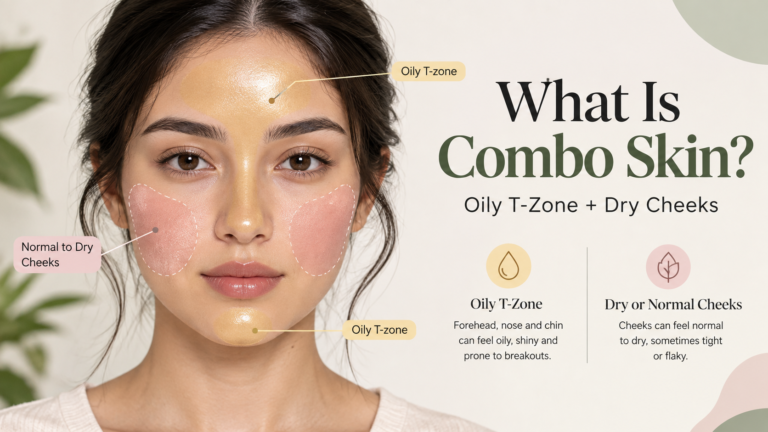
It should be noted that everyone has unique skin behavior. The skin can be oily and sensitive at the same time; dry skin can be sensitive, as well as combination skin, which can become sensitive. Hence, choosing products solely based on skin type is not sufficient.
How Your Skin Barrier Is Important
The skin barrier is basically an outer covering that functions in keeping moisture within the skin while minimizing the effect of the external elements. If there is any damage done to the skin barrier, there will be loss of water from the skin and increased susceptibility to irritations.
Over-cleansing, excessive exfoliation, harsh active ingredients, and application of multiple products can cause damage to the skin barrier. There will be instances when products that you used in the past start causing stinging sensations. This may be a sign for you to make things simple.
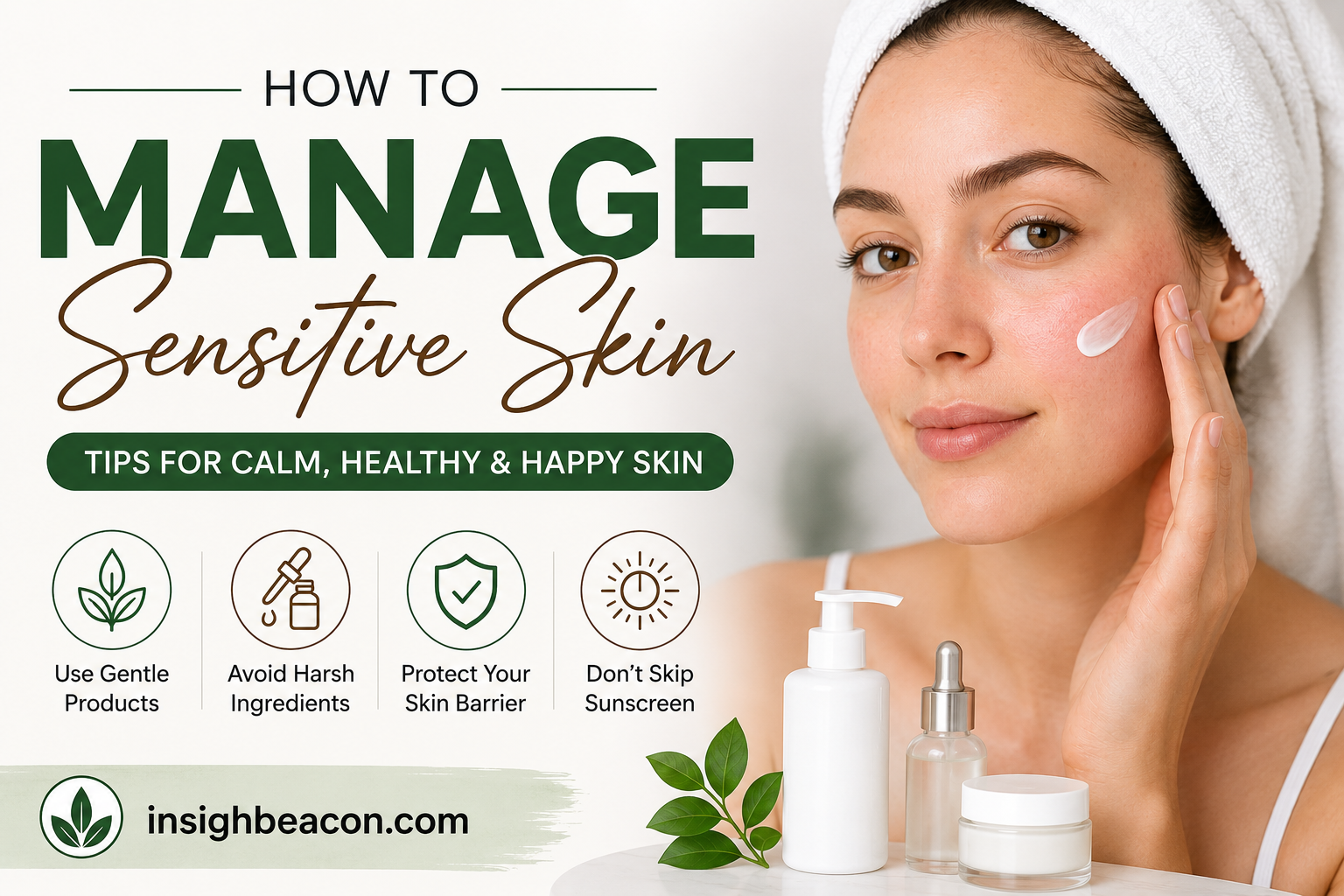
An intact skin barrier does not necessarily have to go with a lot of product use. The application of gentle cleansers, moisturizers, and protection from the sun is sufficient to create a good skin base.
How to Manage Sensitive Skin Through a Simple Process
In case the reaction of your skin is easy, it is always better to start simple. Avoid introducing several products at once and concentrate on basic steps required by your skin every day.
There is no need for harsh cleansers for sensitive skin—just try those that will effectively cleanse your skin of dirt, oil, and sunscreen without stripping it too much. Choose those designed specifically for sensitive and dry skin types. Do not choose cleansers that leave your skin extremely tightened after washing it.
Now comes the moisturizing stage for hydration and protecting the skin barrier. Ceramide, glycerin, hyaluronic acid, and squalane can be effective for retaining moisture, even though there are differences from person to person. For some individuals, a light cream could work better than another type of cream.
The sunscreen is necessary for the daytime, as the UV rays can further aggravate the problems of redness, dryness, and irritation, especially if the skin barrier is already damaged.
And here comes the main idea: do not try something new every other day. Skin doesn’t require changing products every few days.
Choosing Ingredients for Skincare Products Wisely
An ingredients list can be helpful to someone with skin reactions. However, there is no need to remember all the names of chemicals mentioned. Instead, get to know which categories of ingredients work well on your skin and which ones are likely to give you skin reactions.
One such category of ingredients is fragrance, since it can provoke skin irritations in some individuals. Essential oils may be irritating to some users, despite the fact that they are considered natural and healing.
Exfoliating acids and retinoids can offer great skincare effects for you, but they also may lead to dryness and irritation if introduced too abruptly. It does not mean that one cannot use these ingredients at all. On the contrary, one should introduce them slowly when his/her skin condition allows him/her to do so.
Try to choose simple products free from fragrance and intended specifically for sensitive skin.
Patch Test Helps Avoid Nasty Shock
There could be some cosmetics that do not cause any skin problems for many individuals but still irritate yours. That is why patch testing of a new cosmetic item is a wise approach.
Apply the product in a limited area like inside the arm or other place as recommended by the directions. Check if there is any irritation on your skin before starting to use it all over your face.
Patch testing works great for checking cosmetics with active ingredients. In case you get a severe burning sensation, swelling, or serious itching as well as other unwanted reactions, discontinue using it.
Do not forget that patch testing cannot assure that there will be no problem with this product if you apply it to your face in the future. The reaction of the facial skin could be different, so add only one product at a time.
Avoid Practices That Tend to Irritate
It is not always about the particular skin care item; sometimes, it is all about how you apply it. This is particularly true for washing your face with hot water, scrubbing too hard, and roughing it up with a towel.
Spending too much time in hot showers can also lead to the dehydration of skin, as they help your skin absorb the oils again.
Another not uncommon mistake is over-exfoliating. Exfoliation keeps your skin clean, but doing it too often can leave clogged pores and uncomfortable and prone skin. If your skin is already irritated, taking the destruction of exfoliating products may be more beneficial than planning any other treatment.
Shaving can also cause infection as well. Make sure that the razor is sharp and easily accessible; avoid undue stress, and make sure to use an appropriate razor that causes minimum friction.
Environmental Irritation Prevention Methods
Skin care doesn’t end when you step out of the shower. In many ways, your environment will have an effect on how you feel about your skin.
Cold and windy conditions will dry the skin further, whereas very dry air at home will lead to the same effect. Hot weather, on its own, can affect some people with discomfort. Pollution and other substances can irritate the skin, especially when it’s already compromised.
Easy protective measures will come in handy here. Regular use of moisturizers and protection against extreme weather, as well as regular application of sunscreen, can all help. You might even want to consider a humidifier if you have very dry conditions at home.
It’s unrealistic to expect you to shield yourself from any environmental factors. However, there are some conditions that will irritate your skin on a consistent basis, and these need to be identified and addressed.
Be Careful When Adding Active Ingredients
Many popular skincare routines include ingredients designed to target zits, uneven pores and skin tone, class I spots, or pigmentation. These products can be helpful; however, touchy skin regularly benefits from a slower method.
If you want to promote the active site, start with one product instead of many. If product orders allow, use much less first, paying attention to how your pores and skin respond.
Avoid changing any parts of your workout at the same time. If redness appears after the introduction of 3 new products, it is difficult to determine which product caused the reaction.
A stepwise approach offers you more manipulation. Once your skin is easily adaptable, you can decide if you really need to show every other treatment.
Be Aware When You Need Medical Help for Your Skin
Occasional irritation can occur, but constant or more serious symptoms shouldn’t be seen as being only a case of sensitive skin.
Should you find that you have problems with severe itching, swelling, painful rashes, cracking, reddening, or burning on your skin, it might be an idea to consult with a dermatologist or other health care professional, as these symptoms could be signs of eczema, rosacea, or contact dermatitis.
Other times when medical assistance is needed include having reactions to products despite the fact that you have a very minimal skincare routine.
Your skin is telling you something. Instead of constantly masking symptoms with new products, sometimes it’s better to figure out why it is happening.
Establish a Routine That is Practical for You
A good skin care routine should be in harmony with your lifestyle. If your skin care routine consists of ten steps that you never do, then it is less valuable than a three-step skin care routine that you are able to do every day. The same applies to body care: smooth body skin with simple everyday habits is better than a long routine you never follow.
A good morning skin care routine could consist of cleansing, moisturizing, and applying sunblock. For the evening, it could be enough to cleanse and moisturize. Some additional products can be introduced into the routine only in case there is a need to do so.
Consistency is always more important than following new skin care trends. Skin improvement takes time and happens step by step.
One will need to avoid trying to follow another person’s routine because what works for them might not work for you. Suggestions can be gotten from influencers and online reviews, but their skin might be totally different from yours.
Little Differences Can Go a Long Way
The care of reactive skin is more likely to be about eliminating all unnecessary irritants rather than about discovering that miracle product. Consider it a process of exclusion—if something causes you any discomfort, try to strip down first and experiment later.
Try to use products carefully, moisturize properly, guard yourself against UV rays, and test out new products one by one. Do not overdo rubbing and exfoliating. Most importantly, watch for patterns instead of trying to form an opinion about a certain product after its first application.
As soon as you learn which products do not make your skin react, purchasing new ones will become very easy indeed.
FAQ
Is there a way to reduce reactivity in my skin?
Yes, in certain cases the skin becomes less reactive due to the reduction of irritating factors and reinforcement of the skin barrier. It depends, though, on why the skin became sensitive. Any recurring or serious reaction requires medical advice.
Does fragrance worsen sensitive skin?
Fragrance is not necessarily bad for all people’s skin, although it could irritate certain individuals with reactivity issues in their skin. When it comes to situations when perfumes cause skin irritation, using perfume-free products could work out well.
How often should one exfoliate his/her sensitive skin?
There is no standard answer since sensitivity is individual for each person. In case you have dry or irritated skin, exfoliation may cause further complications. You should wait until the skin conditions get better and then start using an exfoliation product.
Should sensitive skin use moisturizer every day?
The use of moisturizers could assist in ensuring proper hydration and protection of the skin. The choice of an appropriate formula should be based on comfort and non-irritation to the skin.
Conclusion
Knowing how to manage sensitive skin is not about developing the most complex skincare regimen possible. It is about knowing your skin, preserving its natural barrier system, and avoiding anything that irritates your skin continuously. The use of an appropriate cleanser, moisturizer, daily sun block, and proper product selection will give you a firm base.
It may require more patience than perfection from your skin. Start with gradual changes in your skincare routine, observe the response of your skin, and do not compare your skin with any other person’s skin. If you have continuous irritation despite careful handling of your skin, it will be best to seek professional advice